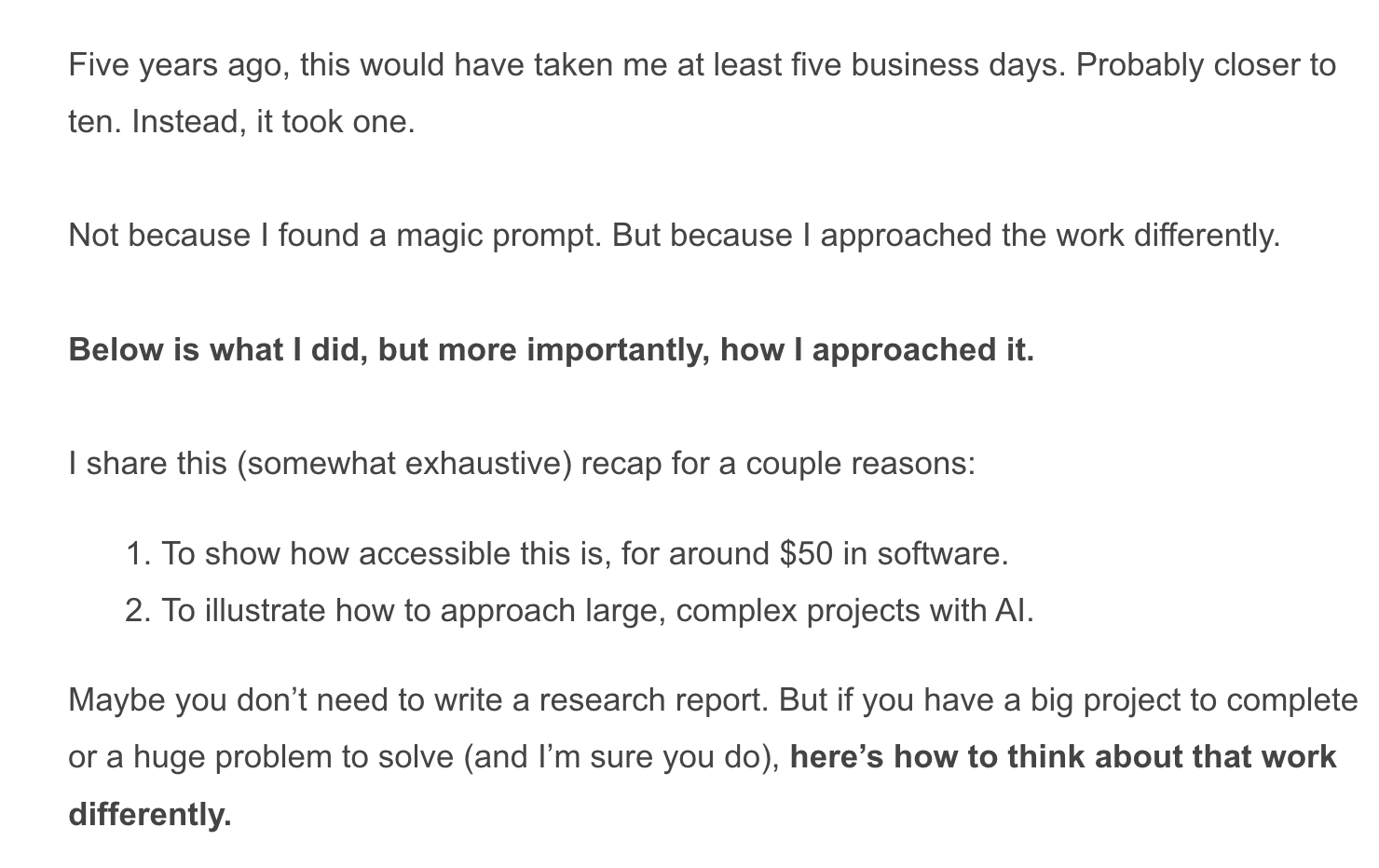
When ChatGPT launched in 2022, it was helpful, but forgetful. Each chat started fresh. You had to repeat yourself, re-upload docs, restate your goals. Every. Single. Time.
That’s changing fast.
Recent breakthroughs, likesaved memories, expanded context capacity, and custom instructions, are pushing AI beyond one-off chats into persistent, personalized assistants.
What's new in AI memory?
Here’s what’s happening:
- Context windows are expanding: This refers to how much information a model can “remember” at once. Early versions could only handle a few paragraphs; now some models process entire books or libraries of data at once, keeping more detail in play as they respond. Think of it like AI’s working memory.
- Saved memories are live: ChatGPT now stores information about you between sessions and across chat threads. You can view, edit, or delete these memories, making it less like starting from scratch and more like working with a colleague who remembers your past conversations. For example, you could tell it once about your target markets and it will remember them every time you plan marketing campaigns.
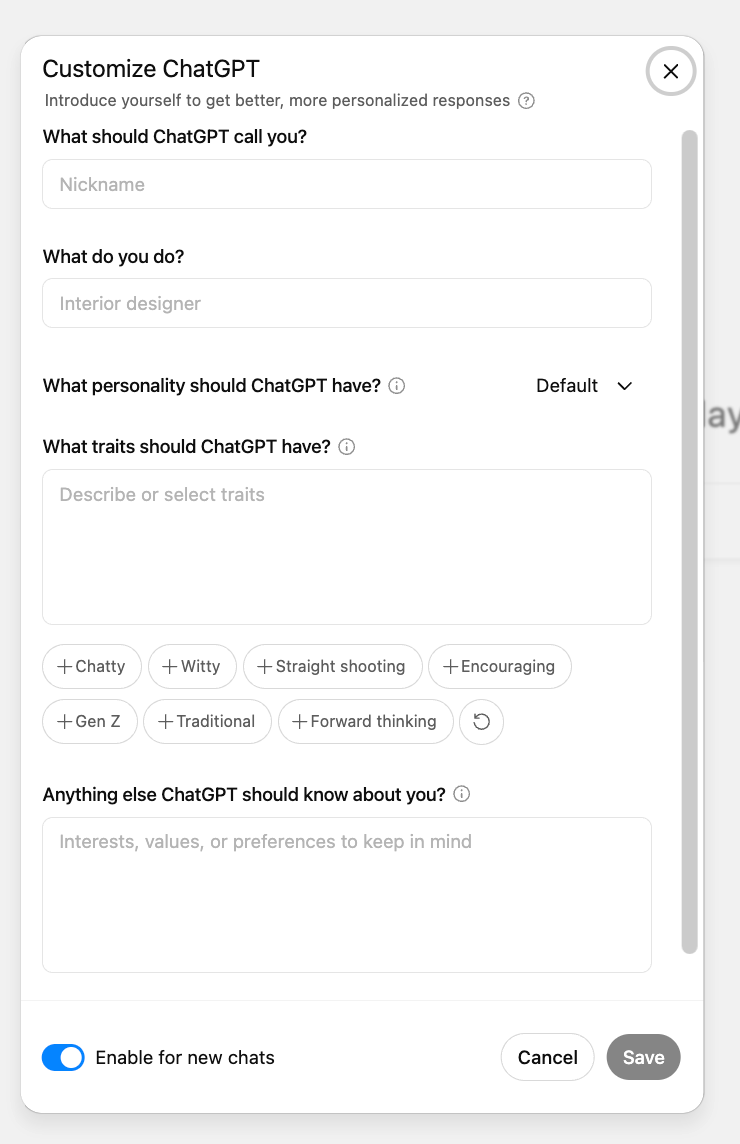
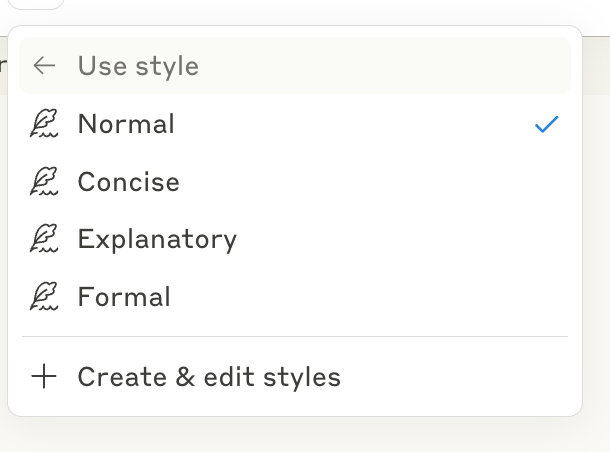
- Custom instructions are the norm: You can outline step-by-step instructions in custom GPTs, change Claude's style to suit your preferences, and executive produce podcast-style overviews in NotebookLM. AI companies are increasingly putting users in the driver's seat so you choose your preferred experience.
- File-based knowledge is here: Tools like NotebookLM or custom GPTs let you upload huge batches of documents, so the AI can use them as reference material in real time. Imagine dropping in your entire product library or technical manual and having AI instantly draft support guides or training materials that align with it.
Together, these features mean AI can actually know your work, your clients, and your style, and build on that knowledge over time.
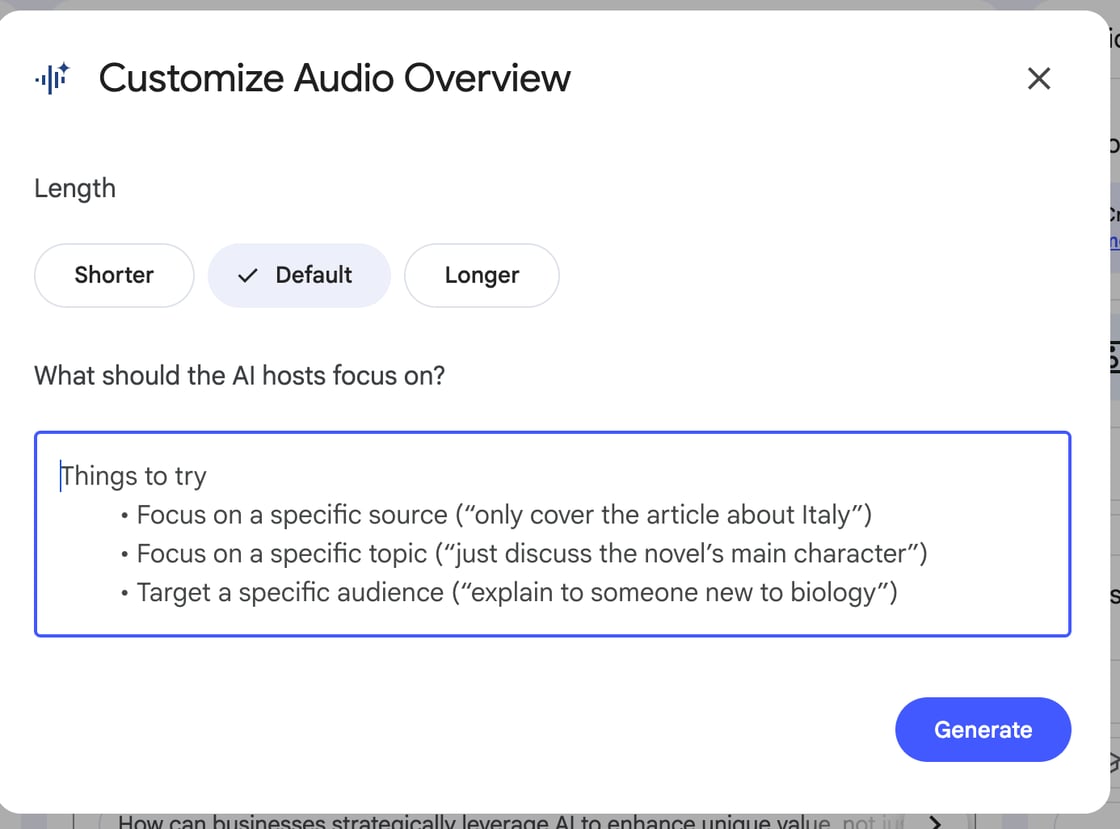
Above: Settings to customize audio overviews in Google's NotebookLM
Why this matters in business
Persistent AI memory isn’t just a convenient feature; it has the power to be transformative. Here’s why:
Efficiency
You eliminate repetitive setup. No more retyping background info or repeating your instructions over and over again. That time compounds into real productivity gains.
Example: A founder who used to spend 15 minutes drafting detailed prompts with their industry, buyer, business model, and sales process now jumps straight into strategy.
Longer Conversations
With expanded memory, you can sustain longer threads without losing context. This allows for deeper exploration of ideas over time, almost like a continuous brainstorming partner.
Example: A UX designer can workshop features across multiple sessions, pick up right where they left off, explore new ideas, and circle back to previous ones without AI losing the thread, just like we do in real meetings.
Deeper Understanding
With more context, AI can grasp nuance: your tone of voice, your brand guidelines, your client quirks. It’s the difference between generic answers and advice that feels custom.
Example: A marketing team uses AI that remembers their playful brand voice, so social copy suggestions already sound on-brand — no rewriting required.
Complexity
When AI can handle larger volumes of information, it can help manage multi-step projects (like analyzing entire campaign histories or synthesizing customer feedback across dozens of channels) without losing track of key details.
Example: A product manager feeds in two years of feature requests, user surveys, and competitor roadmaps; AI produces a prioritized roadmap aligned with historical trends.
Personalization
Over time, your AI experience starts to reflect your way of working. Its recommendations improve as it “learns” your patterns, preferences, and priorities.
Example: A consultant trains AI on her past proposals and pricing strategies, so new proposals match her style and preempt client objections she’s encountered before.
Memory = Your competitive moat
Here’s the thing: By default, AI models produce “statistical average” outputs: safe, generic, fine-but-forgettable work.
The magic is in your context. But up until now, the burden has been on the user to provide it, in detail, over and over again. And even then, AI could only keep track of so much information.
Soon, AI will be a true teammate capable of remembering, understanding, and knowing your business inside and out.
Unlocking memory, cloning yourself
How do you get from here to there? How do you train AI to replicate… you?
It starts with a simple question: What should AI know about you?
Try this exercise. Write down:
- If I were onboarding a new hire, what would I tell them about me? About my company? About their role?
- What do I know that no one else knows?
- Which docs, insights, or frameworks are essential to my success?
- If I could clone myself to handle key tasks, what knowledge would that clone need?
Brainstorm a list. Think about repetitive questions you answer, processes you follow, and expertise you provide. Next time, we'll talk about what to do with this information: how to use it, and what features to prioritize.
The shift to AI memory isn’t just about convenience; it’s about leverage.
Start small, but start now. Your future self will thank you.